June 17, 2026
In recent years, the significance of well drilling services has grown considerably for both residential and commercial properties. With increasing concerns about water scarcity and environmental changes, ensuring a reliable water source has become more crucial than ever. Understanding local well drilling services not only aids in accessing quality water but also plays a vital role in maintaining the value and sustainability of property. This article delves into why knowing your local well drilling options is beneficial and how to navigate the service landscape effectively.
What is Well Drilling and Why Might You Need It?
Understanding Well Drilling Basics
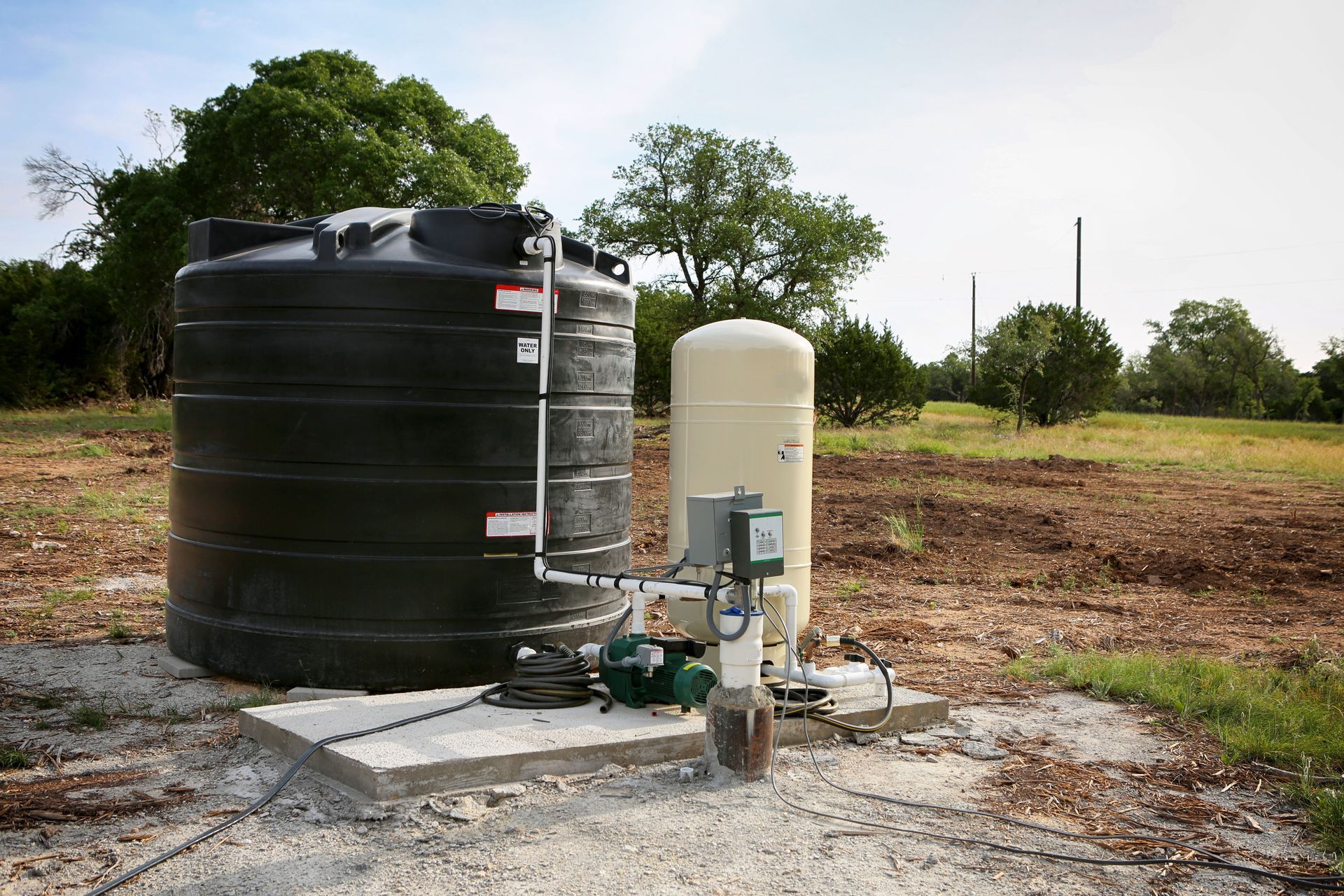
Well drilling is the process of creating a borehole in the ground to access groundwater beneath the Earth's surface. It involves several steps, starting with site evaluation to finalizing proper drilling techniques suited to the location. Depending on geological formations, different drilling methods are employed to achieve optimal results. The complexity of well drilling underscores the need for professional assistance from experienced providers.
Individuals may require well drilling for various reasons, including establishing an independent water supply for domestic use. In agricultural scenarios, a well can offer farmers a dedicated water source for irrigation, independent of public supply networks. Even in urban areas, wells can supplement water needs and reduce dependency on municipal supplies. According to the NGWA, every year, approximately 500,000 new water wells are drilled in the United States alone.
Given the essential nature of water, drilling a well is not merely an option but a necessity for many. Access to clean and safe groundwater is fundamental to daily life and numerous industries. As such, understanding the intricacies of well drilling allows individuals and businesses to make informed decisions. Thus, this knowledge can prevent potential issues and optimize the benefits derived from drilled wells.
Reasons for Drilling a Well
One primary reason for well drilling is to gain autonomy over your water supply. This independence is particularly appealing to homeowners residing in remote locations where municipal water services are unavailable. Furthermore, having a private well can provide better water quality and reliability, as well control over water purifying processes.
Wells are advantageous for agricultural landowners who require large quantities of water for irrigation. By drilling a well, they can ensure that crops receive adequate water supply throughout the growing season without excessive reliance on local water districts. Additionally, this also accommodates livestock needs, ensuring sufficient provision for animals.
Businesses and industries also benefit from wells by securing an uninterrupted water supply vital for their operations. This security is particularly critical in areas prone to water scarcity or where demand fluctuates seasonally. By drilling a well, enterprises can bolster their sustainability efforts and reduce utility expenses over time.
How to Find Reliable Well Drilling Services Locally
Researching Local Providers
Finding reliable well drilling services begins with comprehensive research into local providers. Start by compiling a list of potential companies, focusing on those with a strong reputation and substantial experience in the field. Assessing online resources and directories allows individuals to identify renowned service providers nearby.
Visiting company websites offers insights into their services, credibility, and customer feedback. Aspects such as project examples, certifications, and memberships in professional associations can further guide the selection process. A diligent approach ensures that homeowners and businesses select providers with proven track records and expertise in well drilling.
Another practical research method involves local forums and community boards, where residents can share insights and experiences with well drilling companies. Engaging in discussions provides context and valuable recommendations, streamlining the search for competent service providers. Networking with neighbors who have recently undertaken similar projects further refines the selection process.
Checking Licenses and Certifications
Verifying the licenses and certifications of well drilling companies ensures compliance with state and national standards. Reputable providers typically display their credentials prominently on their websites or provide them upon request. These certifications indicate adherence to industry best practices and indicate the provider's technical proficiency.
The National Ground Water Association (NGWA) certification is one distinguishing feature of credible well drilling services. Membership in such organizations demonstrates a commitment to continuing education, compliance, and professionalism. Past performance reflected in certifications reassures clients seeking quality and competence.
It's prudent to contact local authorities or trade associations to verify the authenticity of a drilling company's credentials. Doing so reduces the risk of engaging unqualified providers, which could lead to potential failures or non-compliance with regional laws. Due diligence in confirming licenses before hiring fosters a successful and compliant drilling project.
What to Expect During the Well Drilling Process
Initial Consultation and Site Evaluation
The well drilling process begins with an initial consultation, which sets the stage for an effective and efficient project. During this phase, drilling companies assess the client's needs, discussing water usage requirements and usage patterns. Experienced professionals conduct site evaluations to determine factors such as soil conditions, water table depth, and access logistics.
Site evaluations often include tests to ascertain water quality and potential yields from the aquifer. This information is critical in selecting the optimal drilling methods and well designs tailored to specific conditions. Homeowners benefit from a comprehensive understanding of site characteristics, aiding in a transparent and collaborative planning process.
Engaging with knowledgeable providers early on fosters clarity, allowing clients the opportunity to voice concerns and specify expectations. Open discussions and clear directives pave the way for a hassle-free project, minimizing uncertainties and preventing future complications. Initial consultations set a strong foundation for subsequent successful drillings and installations.
The Drilling Process Step-by-Step
Once planning concludes, the on-site drilling process commences, following a systematic approach that ensures safety and precision. The first step involves establishing a stable drill pad and securing the necessary equipment, prepared according to site-specific requirements. This crucial setup stage determines efficient access to the targeted aquifer.
The next phase includes the drilling itself, utilizing selected techniques such as rotary or percussive methods to penetrate the ground. This step involves continuous monitoring, evaluating geological formations and adjusting strategies as needed to align with well design specifications. Cooperation between drill operators and site engineers ensures the accuracy and success of this intricate process.
Upon reaching the desired depth, borehole casing and well screens are installed, forming a durable structure for water extraction. Grout seals complete the well construction, offering additional protection against contamination. The well drilling team will conduct preliminary water yield tests to ensure functionality before moving onto final inspections.
In conclusion, choosing qualified local well drilling services involves careful consideration of various technical, legal, and environmental factors. Staying informed equips homeowners and businesses to capitalize on the advantages of private water systems while minimizing potential downsides. As every well drilling project is unique, thoughtful preparation and diligent research ensure sustainable and efficient outcomes.
The importance of reliable well drilling services is undeniable, providing essential tools for accessing clean, potable water year-round. Quality providers offer trusted partnerships that guide thorough planning, execution, and maintenance processes. As private wells remain a pivotal water resource, expertise and professionalism remain invaluable to their success.
For those considering well drilling, action begins with reaching out to local experts and leveraging community connections. Empowered with knowledge, property owners can confidently approach their projects and enjoy the many benefits wells have to offer, all while preserving crucial natural resources for future generations. Reach out to Hewitt-Messenger Well Drilling & Pump Service today to see how we can help you!