April 17, 2026
Investing in the quality of your home’s water is one of the most significant decisions you can make for your family’s health and the longevity of your property. In Southwest Missouri, where we rely heavily on varied groundwater sources, the composition of what comes out of your tap can change significantly from one season to the next.
Before you dive into the world of filtration and treatment, it's important to understand that not all systems are created equal. You aren't just buying a piece of equipment; you're committing to a long-term strategy for resource management. Taking the time to evaluate specific factors will ensure that your investment provides the protection and performance you expect for years to come.
1. Assessing Your Current Water Quality
The first and most critical step in this journey is gaining a comprehensive understanding of what is actually in your water. You can't fix a problem if you haven't identified it with precision. Many homeowners assume that clear water is safe water, but some of the most persistent threats are invisible to the naked eye and odorless to the nose. For instance, recent national data has highlighted a growing concern regarding synthetic contaminants.
According to Forbes, nearly half of the tap water in the U.S., approximately 45%, is contaminated with "forever chemicals," or polyfluorinated alkyl substances (PFAS). This startling statistic underscores why professional testing is non-negotiable. Beyond these industrial chemicals, you also need to look for naturally occurring minerals, bacteria, and nitrates that are common in rural and suburban well systems. A thorough analysis provides the blueprint for your entire purification strategy.
2. Determining Your Daily Usage Requirements
Once you know what is in your water, you must determine how much of it you actually need. A purification system that is undersized for your household will lead to a drop in water pressure and a shorter lifespan for the internal media. Conversely, an oversized system represents an unnecessary upfront cost and might not operate at peak efficiency. You should calculate the peak demand periods in your home, such as the morning rush when showers, laundry, and breakfast prep happen simultaneously.
This evaluation also includes looking at the flow rate of your well pump to ensure the new treatment equipment won't create a bottleneck in your plumbing. If you have a large family or frequently host guests, your capacity needs will be significantly higher than a two-person household. Understanding these volume requirements helps in selecting a system that maintains consistent pressure while delivering purified water to every faucet in the house without interruption.
3. Identifying Your Specific Mineral Challenges
In our region, "hard water" is a persistent issue that affects everything from the taste of your coffee to the efficiency of your water heater. High concentrations of calcium and magnesium can cause scale buildup that eventually destroys expensive appliances and clogs your pipes. This is where a professional water softener service becomes an essential part of your purification plan. While purification focuses on removing harmful toxins and chemicals, softening addresses the structural and aesthetic issues caused by mineral content.
A dedicated water softener service helps prevent that chalky residue on your dishes and the dry, itchy feeling on your skin after a shower. When you integrate a softener with a purification system, you're essentially attacking the problem from two angles: safety and utility. You should look for a provider that offers an integrated approach, ensuring that your water softener service works in harmony with your carbon filters or reverse osmosis membranes to provide the best possible results for your home.
4. Calculating Your Long-Term Maintenance Costs
Every water treatment system requires some level of ongoing attention to remain effective. Before you buy, you need to be honest about how much time and money you're willing to invest in upkeep. Some systems require monthly filter changes, while others might only need professional attention once a year. It's also important to remember that salt-based systems will require regular replenishment to stay functional. Scheduling a recurring water softener service is the most reliable way to ensure your mineral levels stay in check.
If you neglect these maintenance tasks, the system can actually become a breeding ground for bacteria or simply stop working altogether, leaving your plumbing vulnerable to damage. Factor in the cost of replacement media, electricity, and professional labor when you're comparing different models. A system that seems like a bargain today might end up being the most expensive option over a ten-year period due to high maintenance demands.
5. Evaluating Your Available Installation Space
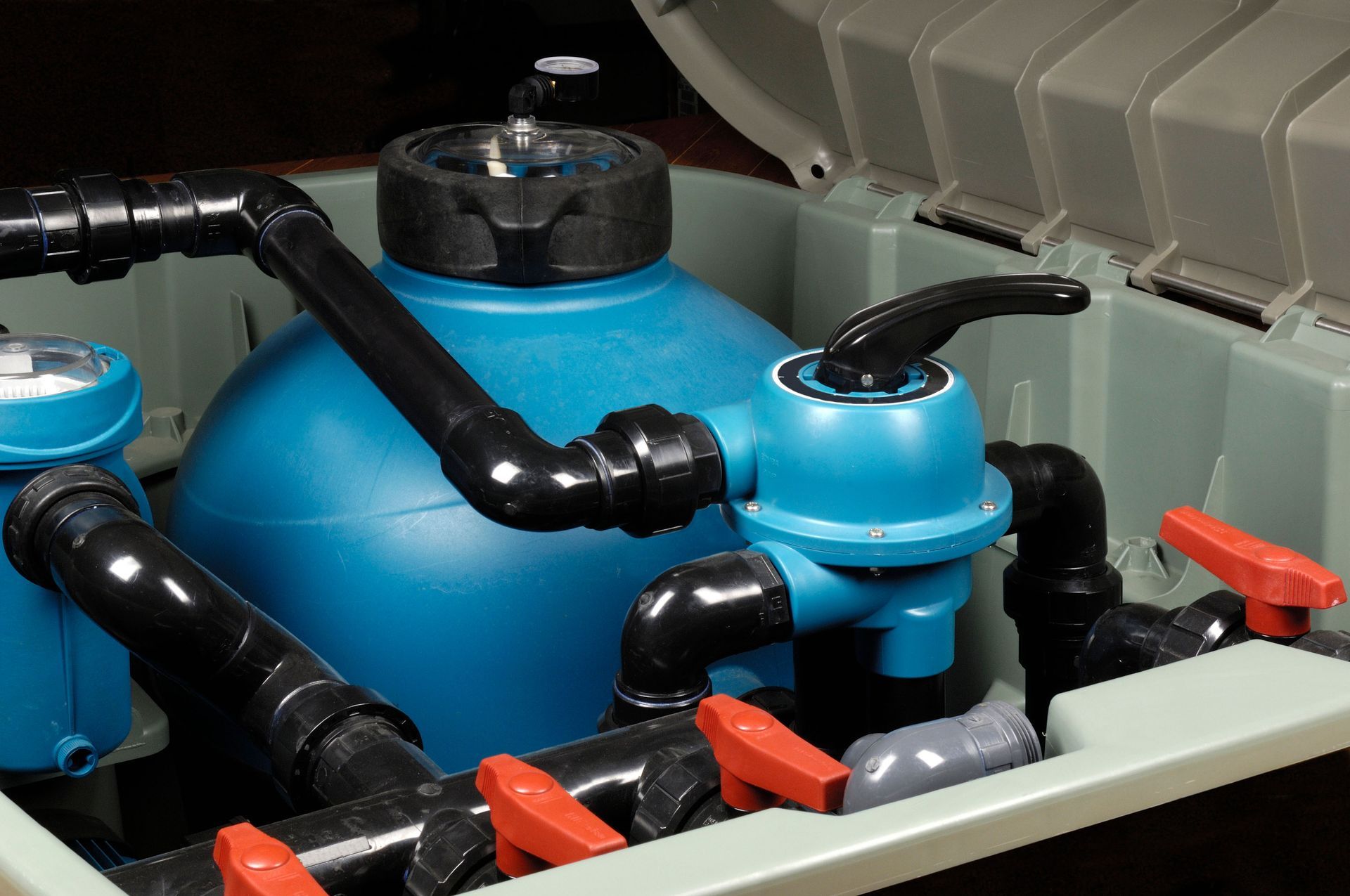
The physical footprint of water purification equipment is a factor that many homeowners overlook until the technician arrives at the house. Depending on the complexity of your needs, you might require multiple large tanks, a brine reservoir, and a series of pre-filters. You need to identify a location that is protected from freezing temperatures, has easy access to your main water line, and provides a nearby drain for backwashing cycles. If your utility room is already cramped, you might need to consider more compact, wall-mounted units or even a custom-built enclosure.
Furthermore, your water softener service provider will need enough room to maneuver during inspections and salt deliveries. A cramped installation makes it much harder to perform routine repairs, which can drive up labor costs in the long run. Before finalizing your purchase, walk through your basement or mechanical room with a professional to map out exactly where each component will sit and how the new plumbing will be routed.
6. Selecting Your Reliable Service Partner
The quality of the equipment is only half of the equation; the expertise of the people installing it is the other half. You want to work with a company that understands the specific geological nuances of Southwest Missouri and has a proven track record of supporting their customers long after the initial sale. A reliable company will offer a comprehensive water softener service as part of their broader water treatment packages, giving you a single point of contact for all your needs.
They should be able to explain the technical aspects of the technology in plain English and provide clear warranties on both parts and labor. When you choose a partner with decades of experience, you aren't just paying for a filter; you're paying for the peace of mind that comes with knowing your water is being monitored by experts. They'll be the ones who remind you when it's time for your next water softener service or help you troubleshoot an unexpected drop in pressure during a holiday weekend.
Taking a proactive approach to your home’s water quality is a multifaceted process that extends far beyond picking a filter off a shelf. By carefully assessing your water's chemical makeup, understanding your household's volume needs, and planning for the physical and financial realities of maintenance, you set the stage for a successful long-term solution. Integrating a consistent water softener service into your broader purification strategy ensures that your home remains a sanctuary where the water is as functional as it is pure.
While the initial research might seem daunting, the reward is the total confidence that every drop of water entering your home is contributing to your health rather than detracting from it. Whether you're dealing with "forever chemicals" or just stubborn mineral scale, the right combination of technology and professional support will transform your daily life. For professional guidance and reliable solutions tailored to your specific needs, contact Hewitt-Messenger Well Drilling & Pump Service.