July 24, 2026
Water wells provide a dependable source of clean groundwater for homes, farms, and commercial properties. However, like any essential system, a well can develop problems over time or become unable to meet your property's water demands. Recognizing the warning signs early can help you avoid interruptions, costly repairs, and potential health concerns. Whether you're experiencing low water pressure, declining water quality, or planning new construction, understanding when to seek professional well drilling services is an important part of protecting your water supply.
According to IBISWorld, there are approximately 8,682 water well-drilling businesses operating throughout the United States, reflecting the ongoing demand for experienced professionals who can install, inspect, and maintain private water systems. With the right guidance, property owners can make informed decisions about well drilling and long-term water management.
How Do I Know if My Well Is Running Dry?
One of the clearest signs that you may need professional well-drilling assistance is a declining water supply. While groundwater levels naturally fluctuate throughout the year, a significant or ongoing decrease in water availability should not be ignored.
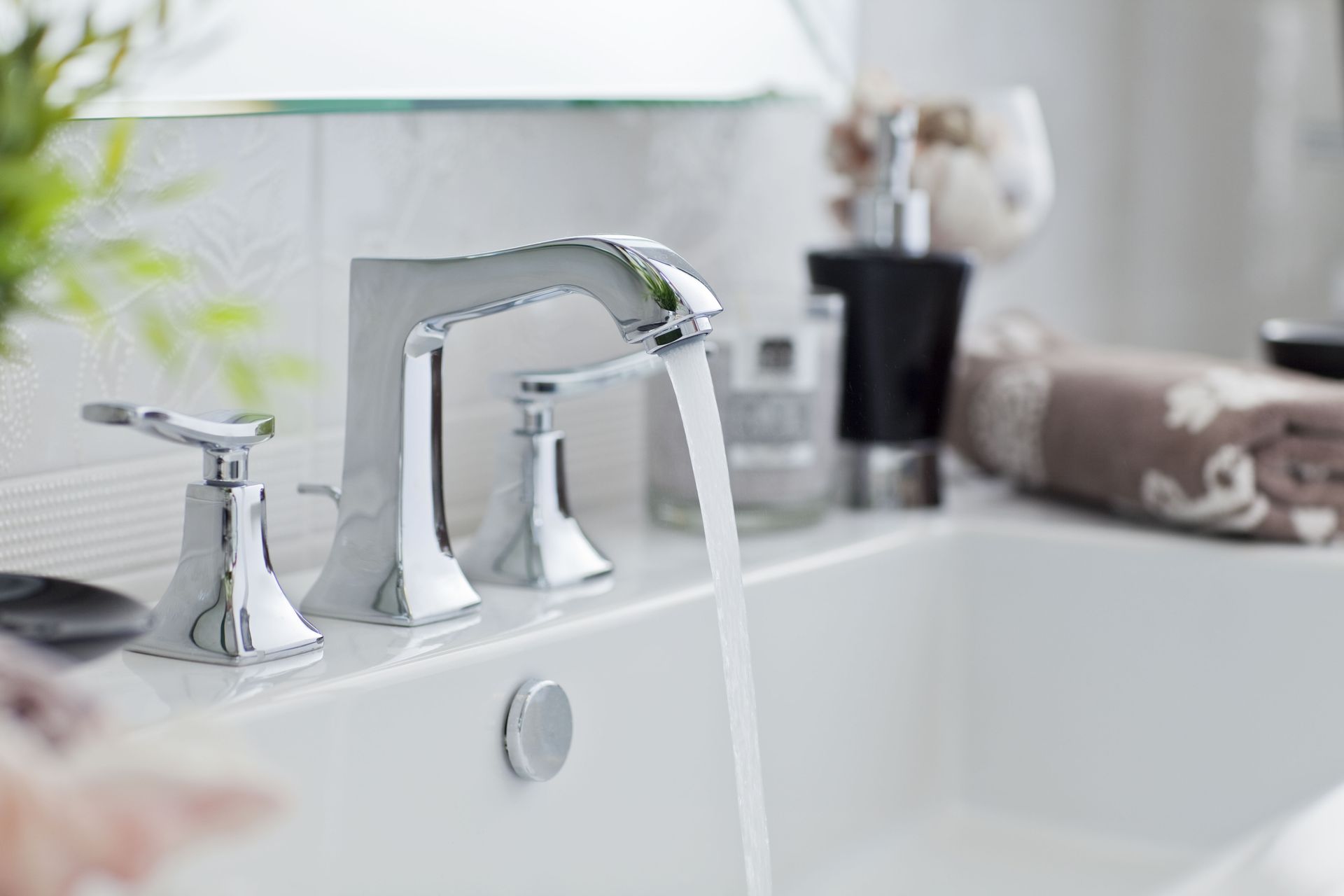
A well that is running dry often produces inconsistent water flow. You may notice reduced water pressure during showers, faucets that sputter with air, or periods when no water is available at all. These symptoms frequently become more noticeable during dry seasons or when household water usage increases.
Changes in water quality can also indicate that groundwater levels have dropped. As water levels decline, sediment may enter the well, resulting in cloudy or discolored water. You might also notice unusual tastes or odors that were not previously present.
Older wells are especially vulnerable to declining performance. Over time, sediment buildup, mineral deposits, and aging equipment can reduce efficiency. In some situations, professional evaluation may reveal that deepening the existing well or performing new well drilling is the most practical solution.
Ignoring these warning signs can lead to complete water loss, making prompt inspection by qualified professionals an important first step.
What Are the Benefits of Hiring Professional Well Drilling Services?
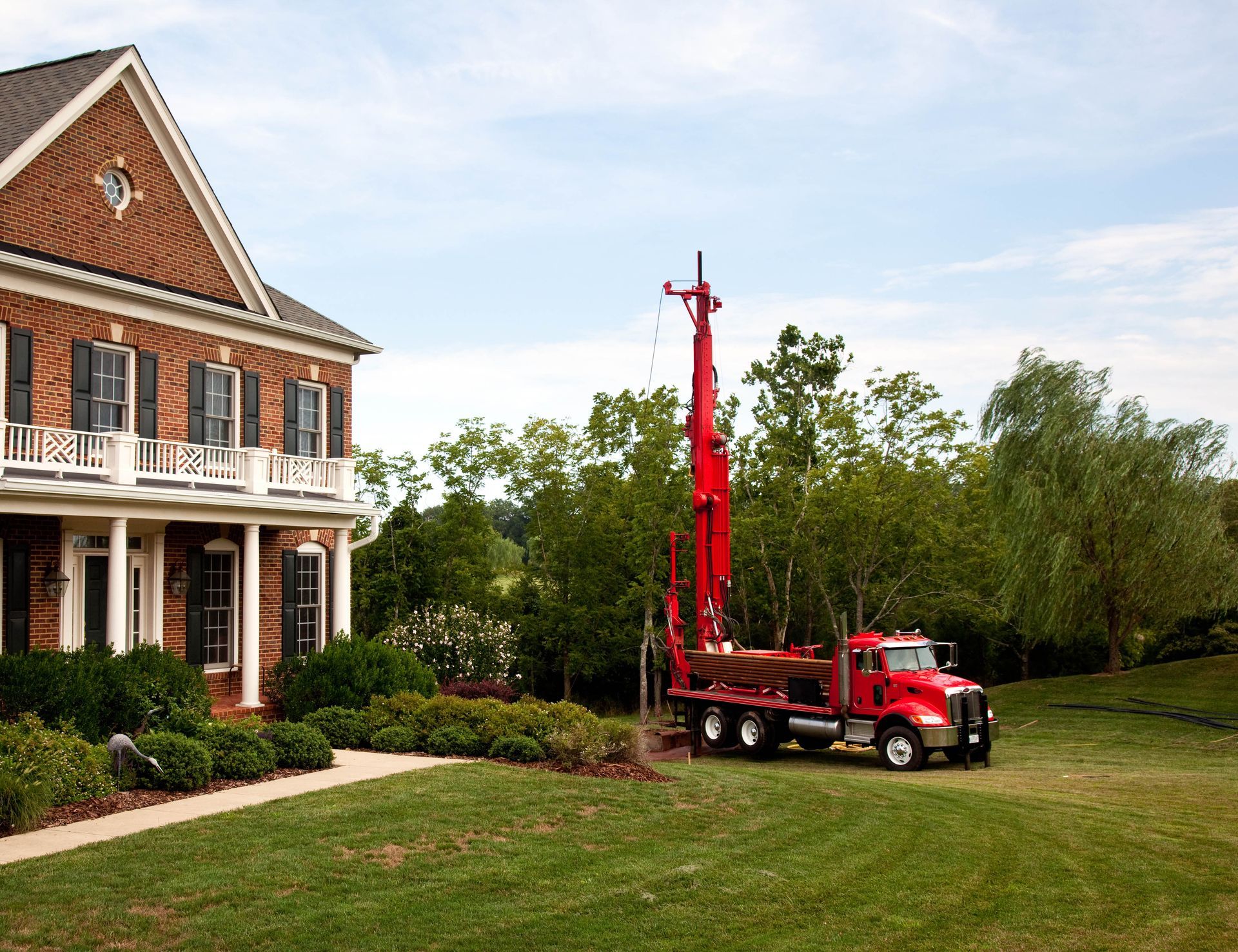
Installing or replacing a water well involves much more than digging into the ground. Professional well-drilling contractors understand local geology, groundwater conditions, permitting requirements, and proper installation techniques that help create a dependable water source.
Experienced contractors begin by evaluating your property's unique characteristics. Soil composition, rock formations, groundwater depth, and surrounding environmental conditions all influence the success of a new well. This knowledge helps determine the ideal drilling location while reducing unnecessary costs.
Professional well drilling also helps protect water quality. Proper casing installation, sealing methods, and sanitary construction practices reduce the risk of contaminants entering the groundwater supply. A properly constructed well is less likely to experience bacterial contamination or surface water infiltration.
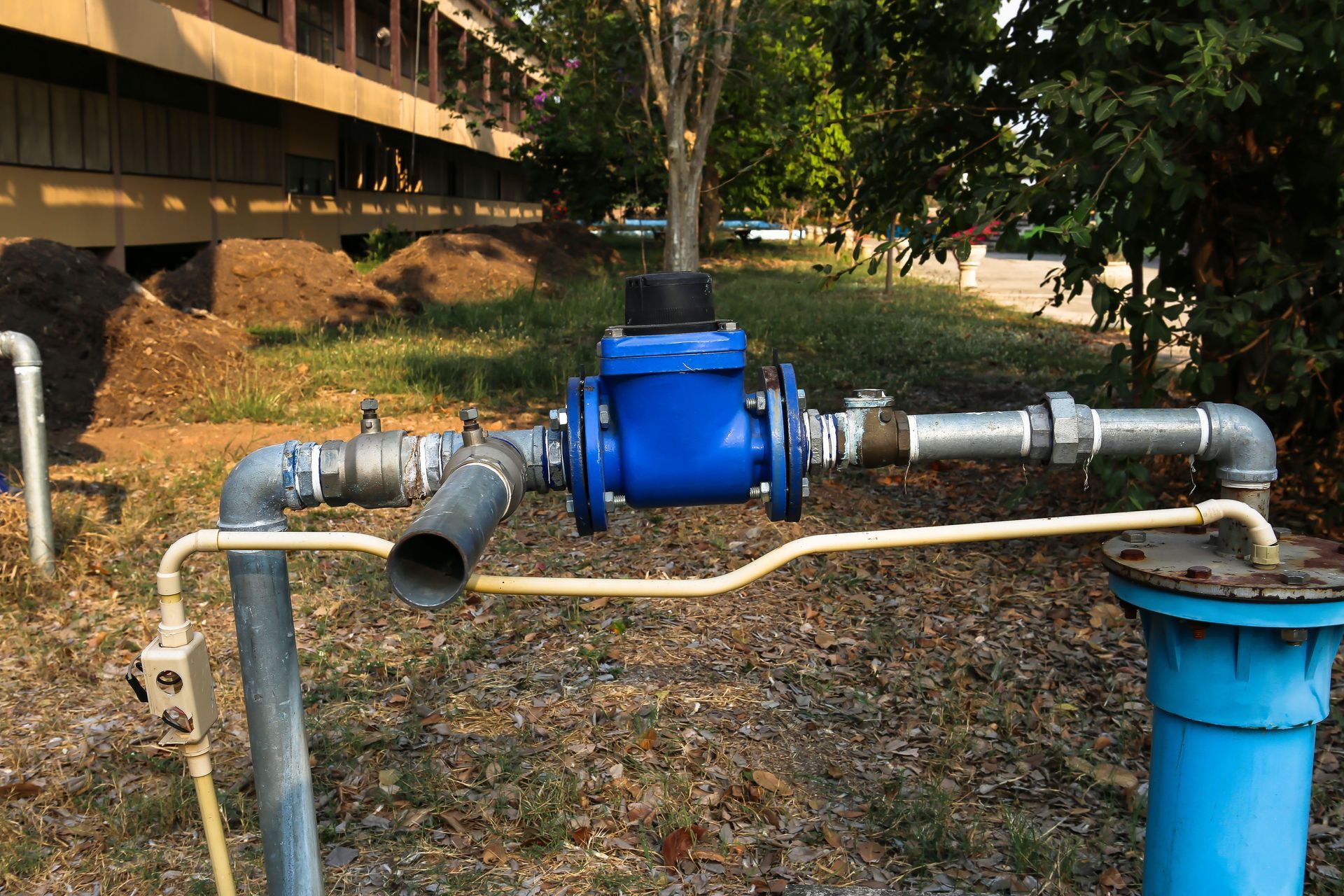
Hiring qualified specialists can also improve long-term reliability. Modern drilling equipment allows professionals to reach appropriate aquifers safely and efficiently while minimizing disruption to your property. They can also recommend pump systems, pressure tanks, and water treatment equipment designed to work together for optimal performance.
Additionally, professionals understand local regulations and permitting requirements. Compliance with state and local standards helps avoid legal complications while supporting safe groundwater use for years to come.
When Is It Necessary to Drill a New Well?
Although many well problems can be repaired, there are situations where drilling a new well becomes the most effective solution.
One common reason is the age of an existing well. Older wells may no longer produce adequate water due to structural deterioration or changing groundwater conditions. If repeated repairs fail to restore consistent performance, investing in new well drilling may offer greater reliability.
Expanding water needs can also justify drilling another well. A growing family, agricultural expansion, irrigation systems, livestock operations, or commercial development often increase water demand beyond what an existing well can provide.
Property improvements may create additional need for groundwater access. New homes, detached garages with plumbing, workshops, barns, or guest houses frequently require increased water capacity. Rather than placing excessive strain on an aging system, property owners may benefit from installing an additional well.
Contamination is another serious concern. If groundwater becomes polluted from nearby construction, septic system failures, industrial activity, or naturally occurring contaminants, drilling a new well in a safer location may be the best long-term option after a professional evaluation.
Finally, some properties simply lack an existing private water source. New construction in rural areas often requires well drilling before utilities can be connected and the property becomes fully functional.
What Should I Consider Before Starting a Well Drilling Project?
Planning ahead helps make any well drilling project more successful. Understanding the factors that affect installation allows property owners to budget appropriately and avoid unnecessary delays.
The first consideration is the property's geology. Different soil types and rock formations influence drilling depth, equipment requirements, and overall project costs. Experienced contractors often review geological data and perform site evaluations before beginning work.
Groundwater availability also varies by location. Nearby wells can provide useful information, but each property has unique characteristics that affect water production. A professional assessment helps determine whether sufficient groundwater is available to meet your expected usage.
Permits and regulations should never be overlooked. Many states require permits before drilling begins and establish construction standards designed to protect groundwater resources. Working with licensed professionals helps streamline this process while maintaining compliance.
Budget planning is equally important. Costs vary depending on drilling depth, geological conditions, pump selection, casing materials, and additional water treatment equipment. While it may be tempting to focus only on upfront expenses, investing in quality installation often reduces maintenance costs over the life of the well.
Finally, think about future water needs. Planning for potential household growth, agricultural expansion, or additional buildings can help determine the appropriate well capacity today instead of requiring costly upgrades later.
How Can Regular Maintenance Minimize the Need for Well Drilling?
Routine maintenance plays a major role in extending the life of any water well. While some wells will eventually require replacement, many continue operating efficiently for decades with proper care.
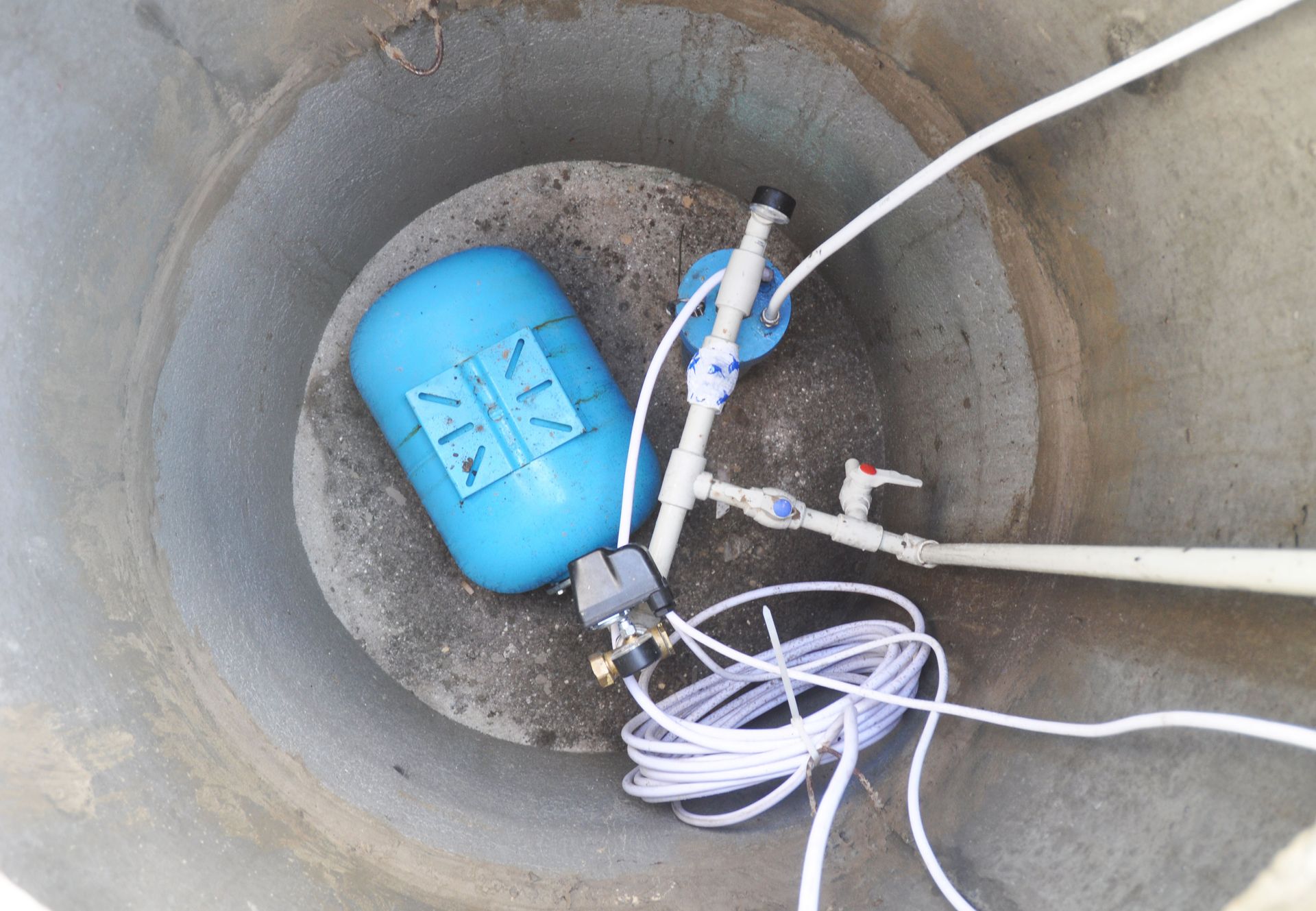
Regular inspections allow professionals to identify small issues before they become expensive problems. Components such as pumps, pressure switches, pressure tanks, and electrical connections should be checked periodically to maintain consistent performance.
Water quality testing is another essential maintenance practice. Testing helps detect bacteria, nitrates, mineral changes, and other contaminants that could affect both health and system performance. Addressing water quality concerns early may prevent more significant damage to the well.
Property owners should also pay attention to changes in water pressure, unusual noises from the pump, or sudden increases in sediment. These symptoms often indicate developing issues that can be repaired before major failures occur.
Protecting the area around the well is equally important. Keeping chemicals, fertilizers, fuel, and waste materials away from the wellhead reduces the risk of groundwater contamination. Maintaining proper drainage around the well also helps prevent surface water from entering the system.
Scheduling preventive maintenance with experienced technicians can significantly reduce the likelihood of emergency repairs or premature well drilling. Small investments in routine care often result in years of dependable service and lower overall ownership costs.
A reliable water supply is essential for homes, farms, and businesses that depend on private wells. Recognizing early warning signs such as declining water pressure, reduced water quality, inconsistent flow, or increasing water demands allows property owners to address issues before they become major disruptions.
Professional well drilling services provide the knowledge, equipment, and experience needed to evaluate groundwater conditions, install dependable wells, and recommend solutions tailored to your property's needs. Whether you're replacing an aging well, developing rural land, or planning for future growth, working with qualified professionals helps protect both your investment and your water supply.
By staying proactive with regular maintenance and seeking expert guidance when problems arise, you can maximize the lifespan of your well and maintain dependable access to clean groundwater for many years to come. If you're in need of well drilling services, reach out to the team at Hewitt-Messenger Well Drilling & Pump Service today!