March 25, 2026
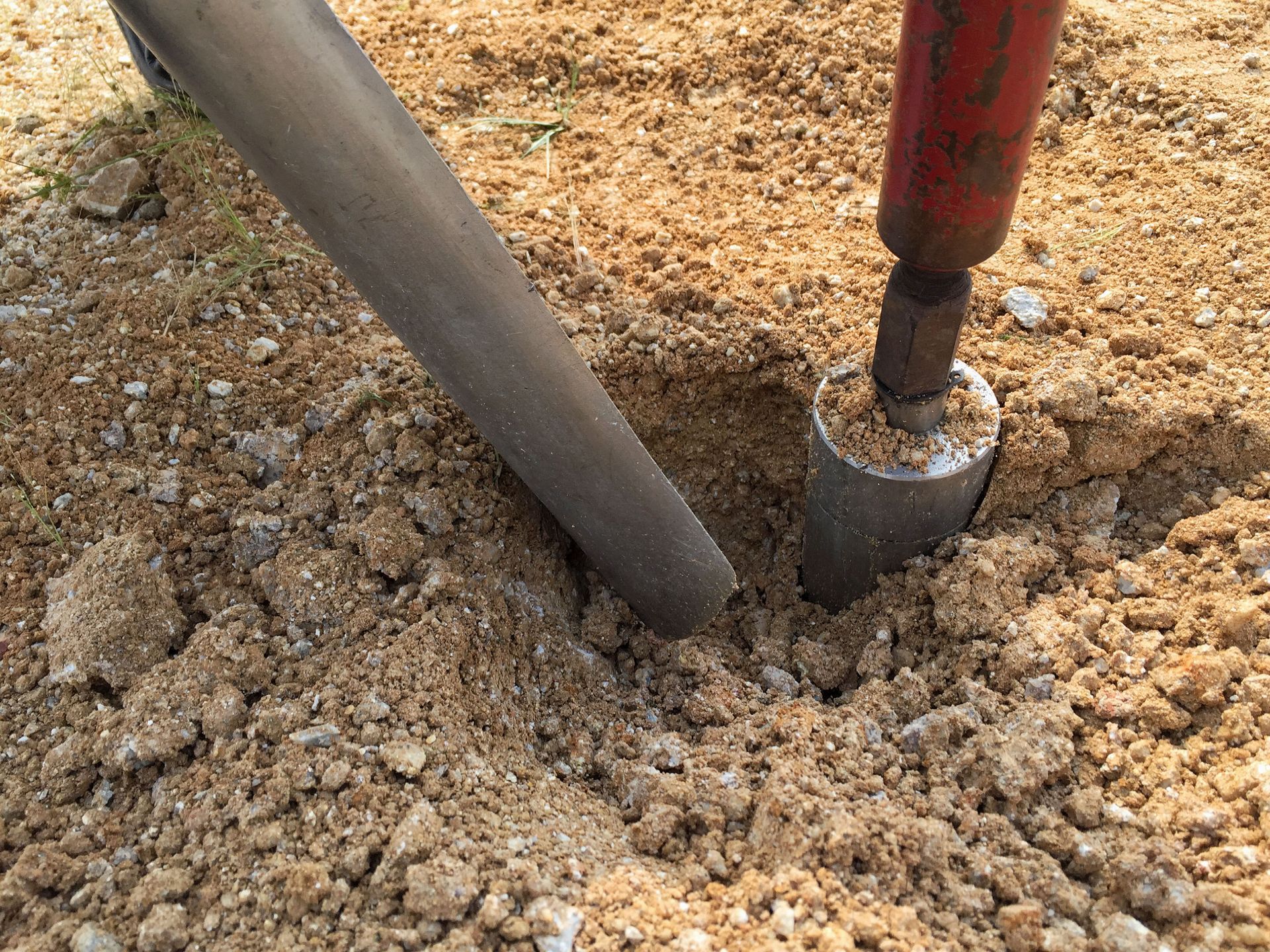
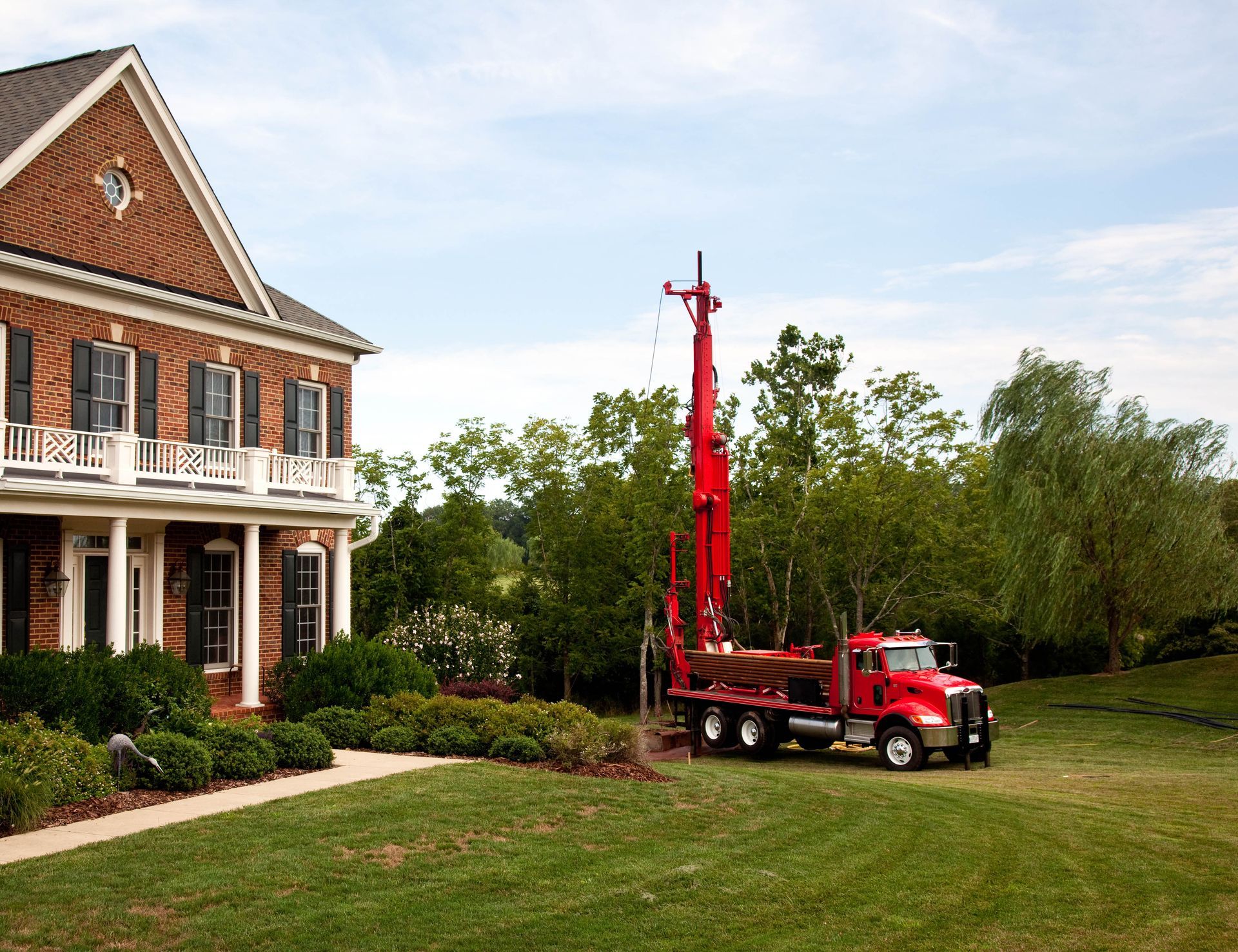
The decision to drill a water well deeper can be a complex one, influenced by factors such as water quality, quantity, and cost. Homeowners who rely on wells for their water supply may face challenges ranging from seasonal shortages to contamination or declining well performance. Understanding the benefits and potential issues of deeper water wells installed by professional well drilling companies can help you make an informed choice. This article explores the reasons you might consider drilling deeper and the implications it has on your water supply, including long-term efficiency, safety, and sustainability.
Water Quality Considerations
Water quality is often a primary concern for well owners. Shallow wells are more susceptible to surface water contamination than deeper wells. According to the Environmental Protection Agency, drilled wells can be thousands of feet deep, which naturally lowers the risk of contamination. Drilling a deeper well allows access to water that has filtered through layers of rock and sediment, reducing exposure to pollutants. Deeper water may also have fewer issues with turbidity and sediment, which can improve the taste and clarity of the water. While regular testing remains essential, deeper wells installed by reputable well drilling companies often provide a safer and more consistent source of potable water.
Water Quantity and Consistency
Securing an adequate and consistent water supply is another compelling reason to drill your well deeper. Shallow wells are highly dependent on rainfall and local surface water, which means they may run dry during droughts or periods of high demand. Deeper wells reach aquifers that are less influenced by seasonal changes, providing a steady flow of water throughout the year. This reliability can be especially important for households with large water needs, irrigation systems, or livestock. In areas prone to water shortages, a deeper well can prevent interruptions and reduce the stress of managing water resources.
Long-term Cost Benefits
While drilling a deeper well typically involves higher upfront costs, the long-term advantages often outweigh these initial expenses. Deeper wells tend to require less frequent maintenance and are less vulnerable to contamination, reducing the need for repairs and water treatment over time. They also generally have a longer operational lifespan than shallow wells, meaning fewer replacements and lower lifetime costs. For homeowners planning to stay in their property long-term, investing in a deeper well can be a financially prudent choice that provides both security and convenience.
Environmental Considerations
It's important to consider the environmental impact of drilling deeper wells. Over-extraction from deep aquifers can lower water tables and affect nearby ecosystems, potentially harming wetlands, streams, and vegetation. Sustainable practices, such as monitoring water usage and following local guidelines, can mitigate these risks. In many regions, permits are required to ensure responsible drilling. Homeowners should also consider seasonal recharge rates and the cumulative effect of multiple wells in the area. By understanding local water laws and aquifer health, homeowners can enjoy the benefits of a deeper well without causing long-term ecological harm.
Maintenance and Planning
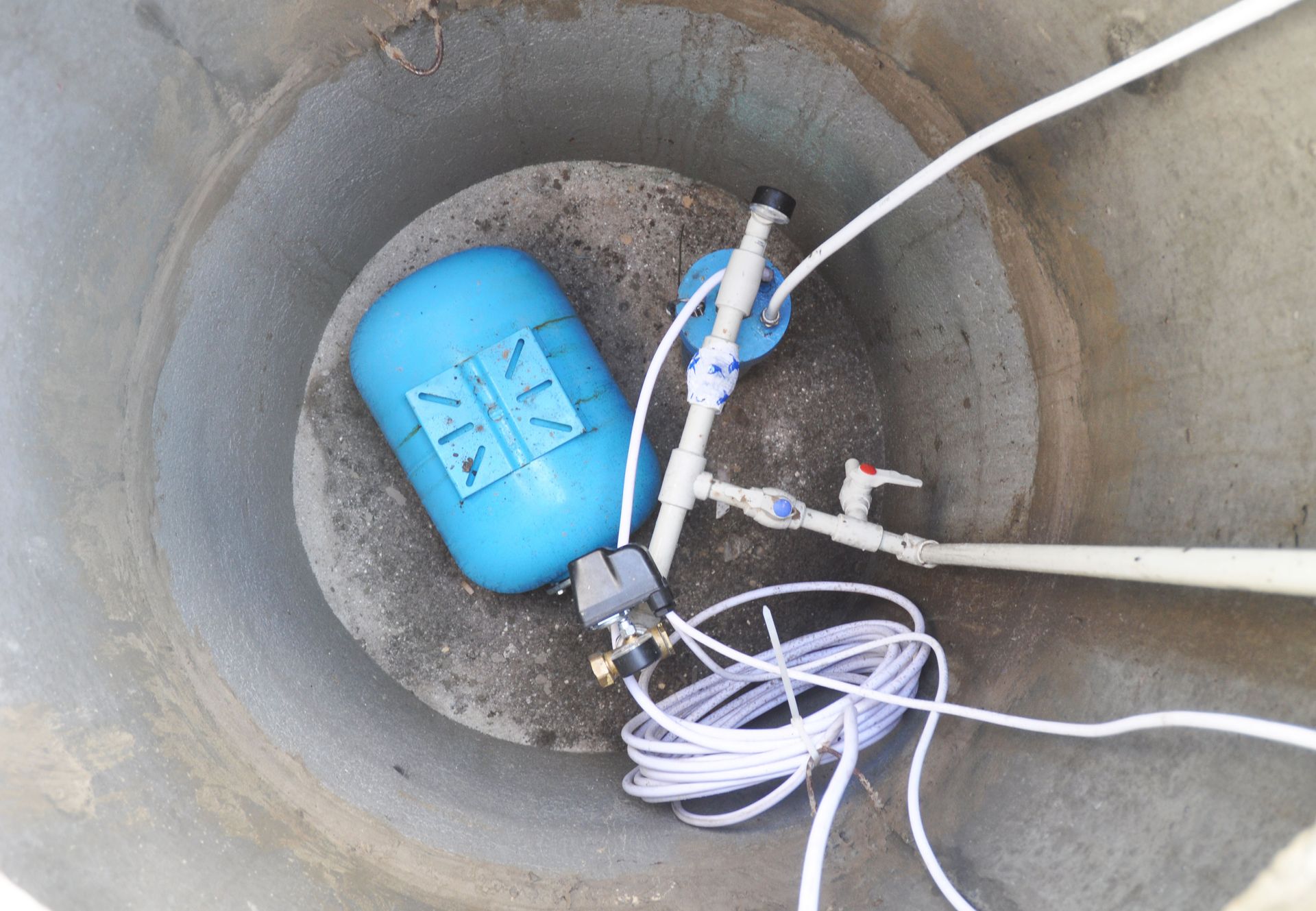
Beyond drilling, ongoing maintenance is critical to preserving the benefits of a deeper well. Regular inspection of the well casing, pump system, and water quality can prevent contamination and mechanical failures. Installing water treatment systems or pressure tanks may further enhance performance and protect household plumbing. Planning ahead by estimating water needs and scheduling periodic evaluations ensures your deeper well remains reliable and cost-effective over time.
Consulting with Professionals
Before making a decision, consult with professionals who can assess your current well and water needs. Professional well drillers can provide insights into local geology, aquifer levels, and water quality trends. They can recommend the optimal depth and location for drilling, ensuring that your water supply is efficient, safe, and sustainable. Well drilling companies can also guide you on proper maintenance and monitoring practices, helping prevent future issues and maximize the longevity of your well.
The decision to drill a water well deeper should be carefully weighed, taking into account water quality, quantity, cost, and environmental considerations. Deeper wells offer improved reliability, cleaner water, and long-term savings, but they require responsible planning and investment. By consulting well drilling companies, planning for maintenance, and evaluating both risks and benefits, homeowners can make an informed decision that secures a dependable water supply for years to come. Are you looking for reliable well drilling companies that can suggest the right well depth for your property? Look no further than Hewitt-Messenger Well Drilling & Pump Service!