April 14, 2026
In today's resource-conscious environment, planning a private water system requires more than simply drilling a hole and installing a pump. Property owners increasingly turn to a well drilling company to establish a dependable water source that aligns with both current needs and long-term expectations. However, the success of a well system depends heavily on the questions asked before the project begins. Understanding how water will be used, how much will be needed, and how the system will perform over time can help prevent inefficiencies and unexpected limitations.
According to the US Department of Energy, the average American uses 75 gallons of water each day. This benchmark highlights how quickly water demand can add up within a household or property. By taking the time to ask the right questions of a well drilling company, property owners can better align system design with real-world usage, seasonal changes, and future growth. The following sections outline five essential questions that help guide a more informed and practical approach to well planning.
1. What Are My Current Water Usage Needs?
Understanding current water usage is one of the first steps in planning a well system. A well drilling company will often begin by evaluating how many people live on the property, how water is used throughout the day, and what types of appliances or fixtures contribute to overall consumption. Daily routines such as bathing, cooking, laundry, and outdoor irrigation all play a role in determining demand. Without a clear picture of usage patterns, it becomes difficult to design a system that delivers consistent performance.
In addition to household size and habits, the type of property can influence water demand. A home with a large yard, livestock, or water-intensive appliances will require more capacity than a smaller, low-use residence. A well drilling company may ask detailed questions about peak usage times to determine whether the system needs additional storage or pressure support. This information helps shape decisions about pump sizing and well depth.
Tracking usage over time can also provide valuable insight. Even simple observations, such as noticing periods of low pressure or delays in water recovery, can indicate whether the current or planned system matches actual demand. By clearly defining current usage, property owners and a well drilling company can work together to design a system that meets immediate needs without unnecessary strain.
2. How Should I Plan for Future Water Demand?
Planning for future water demand is just as important as addressing current usage. Life changes such as growing families, home expansions, or added structures can significantly increase water consumption. A well drilling company typically considers these possibilities during the design phase to avoid limitations that may arise later. Thinking ahead helps reduce the likelihood of costly modifications or system upgrades in the future.
Property development is another factor that can influence long-term water needs. Adding irrigation systems, pools, workshops, or additional buildings can all contribute to increased demand. Discussing these potential changes with a well drilling company allows for a system that can accommodate growth without compromising performance. This forward-looking approach supports flexibility and long-term usability.
Environmental and lifestyle changes may also affect how water is used over time. For example, shifts toward remote work may increase daytime household usage, while gardening or landscaping projects may require additional irrigation. By accounting for these variables, a well drilling company can help design a system that adapts to evolving needs while maintaining consistent output and reliability.
3. How Can I Balance Water Supply with Conservation?
Balancing water supply with conservation is essential for maintaining both efficiency and sustainability. While a well system provides a private water source, responsible usage helps extend the life of the system and reduce unnecessary strain. A well drilling company can recommend strategies that align water availability with practical conservation practices.
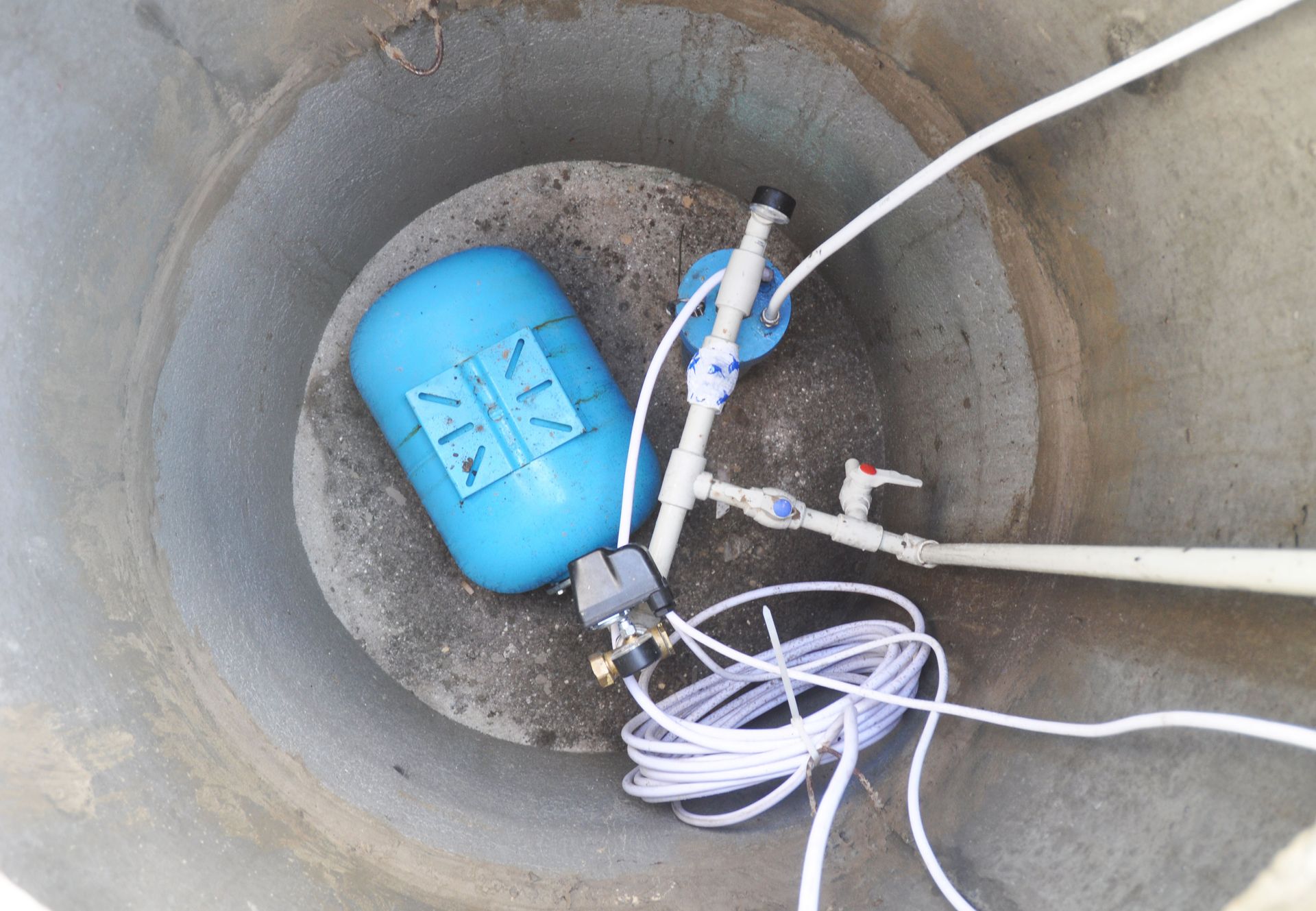
Water-saving fixtures, smart irrigation systems, and efficient appliances all contribute to reduced consumption. These tools allow property owners to manage usage without sacrificing convenience. In many cases, integrating these features during or after installation can improve overall system performance. A well drilling company may also suggest storage solutions that help manage fluctuations in demand, especially during peak usage periods.
Outdoor water use often represents a significant portion of total consumption, particularly in warmer months. Adjusting irrigation schedules, using drought-resistant landscaping, and collecting rainwater are ways to supplement well water usage. By combining thoughtful usage habits with system design recommendations from a well drilling company, property owners can maintain a balance between meeting daily needs and conserving resources over time.
4. What Water Quality and Safety Measures Should Be Considered?
Water quality is a critical factor when evaluating a private well system. Unlike municipal water supplies, private wells require regular monitoring to maintain safety and usability. A well drilling company typically incorporates testing procedures into the planning process to identify potential contaminants such as bacteria, nitrates, or naturally occurring minerals.
Testing should not be limited to initial installation. Ongoing monitoring helps detect changes in water quality over time. A well drilling company may recommend periodic testing schedules based on local conditions and usage patterns. Factors such as nearby agriculture, soil composition, and environmental activity can all influence water quality, making regular checks an important part of system management.
Treatment options may be necessary depending on test results. Filtration systems, softeners, and purification methods can address specific concerns and improve overall water quality. A well drilling company can help determine which solutions are appropriate based on the characteristics of the water supply. By incorporating both testing and treatment into the overall plan, property owners can maintain a consistent level of water quality suitable for daily use.
5. What Technical and Maintenance Factors Will Affect My Well System?
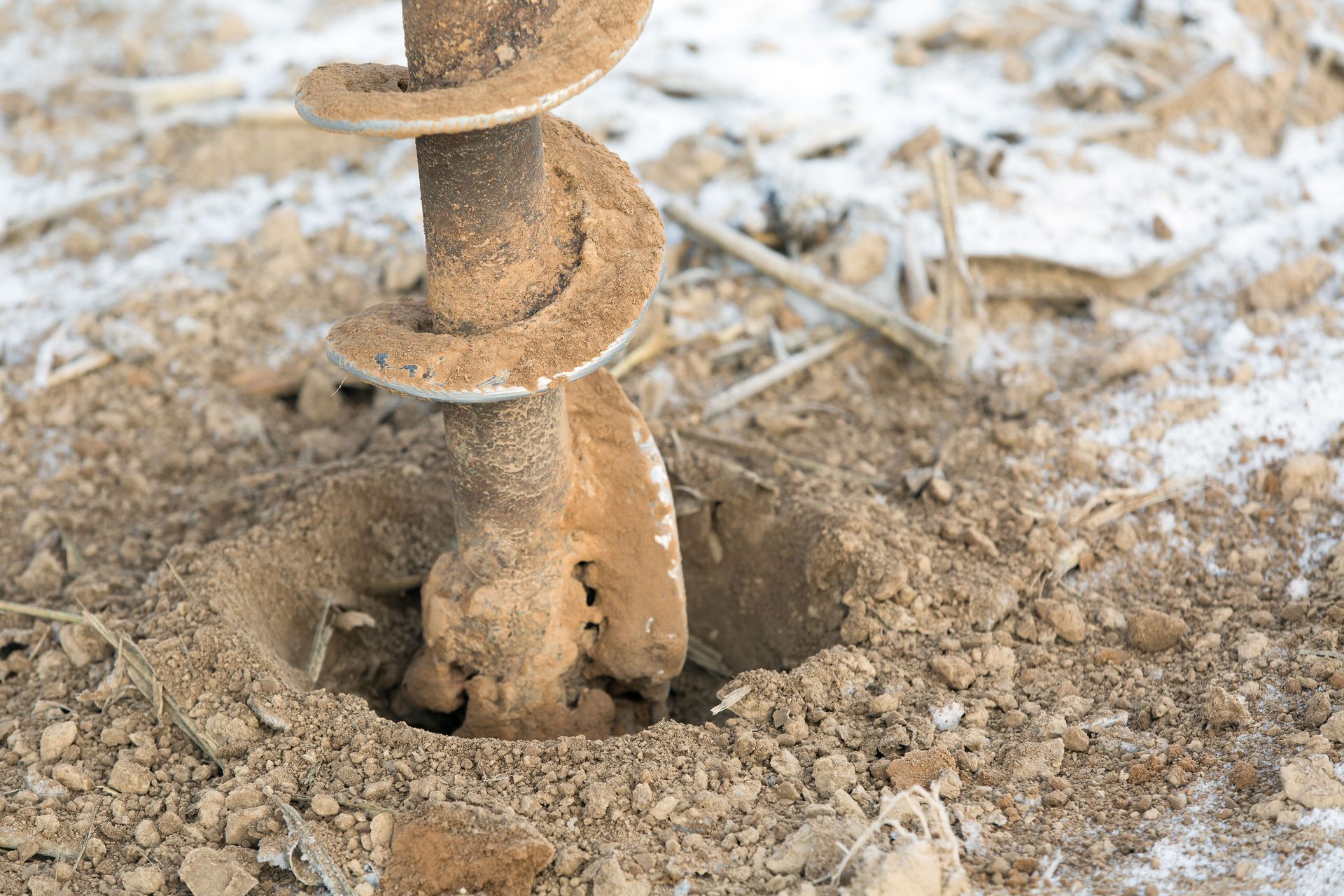
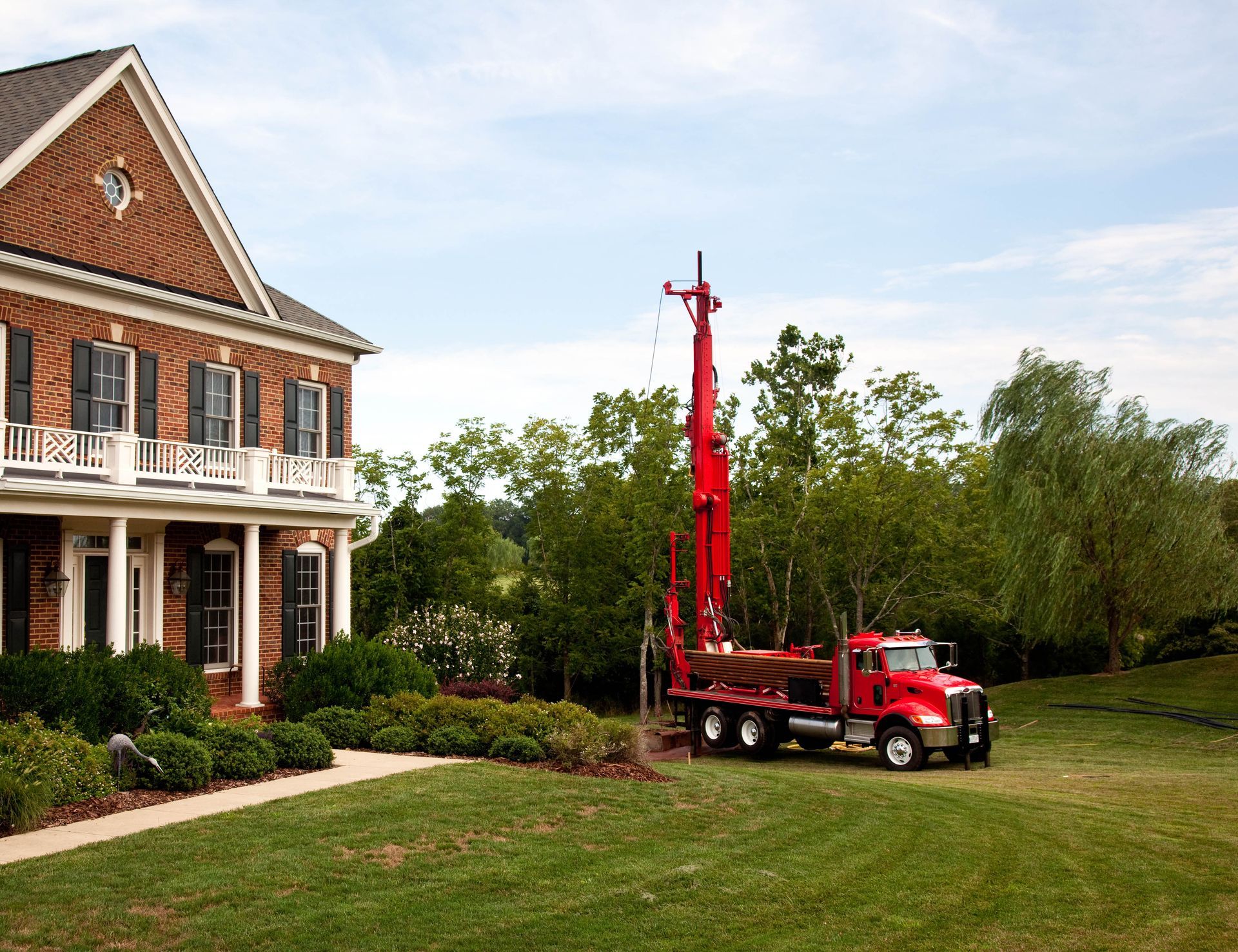
Technical considerations play a major role in the performance and longevity of a well system. A well drilling company evaluates factors such as drilling methods, equipment selection, and geological conditions before installation begins. Soil composition, rock layers, and groundwater depth all influence how the well is constructed and how it will function over time.
Well depth and diameter are important design elements that impact water availability and system efficiency. Deeper wells may access more stable water sources, while diameter can affect flow rate and storage capacity. A well drilling company uses site-specific data to determine appropriate dimensions that align with water demand and environmental conditions. These decisions help ensure that the system performs consistently under varying usage levels.
Asking the right questions before installing a private water system can make a significant difference in how well it performs over time. Working with a well drilling company involves more than selecting equipment or determining a drilling location—it requires a comprehensive understanding of water usage, future planning, safety considerations, and system design. By focusing on how water is currently used, how demand may change, and how the system will be maintained, property owners can approach the process with greater clarity and confidence.
Each of the five questions outlined in this guide plays a role in shaping a system that aligns with both practical needs and long-term expectations. From evaluating consumption patterns to considering water quality and technical design, thoughtful planning helps create a more dependable and efficient water supply. Consulting with a
well drilling company early in the process allows these factors to be addressed in a structured and informed way. Taking the time to ask these questions not only supports better system performance but also contributes to a more sustainable and manageable water solution for years to come. Reach out to Hewitt-Messenger Well Drilling & Pump Service today to get your questions answered.